Eco-Friendly Alternatives to Plastic Products

Plastic pollution is one of the most pressing environmental issues of our time. With millions of tons of plastic waste ending up in oceans and landfills each year, the need for sustainable alternatives has never been more urgent. Fortunately, there are numerous eco-friendly products available that can help reduce our reliance on plastic. In this blog post, we will explore various alternatives to common plastic items, highlighting their benefits and practical uses.
Understanding the Impact of Plastic
Before diving into alternatives, it’s essential to understand why plastic is harmful. Plastic takes hundreds of years to decompose, leading to significant environmental damage. Marine life is particularly affected, as animals often ingest plastic debris, mistaking it for food. Additionally, the production of plastic contributes to greenhouse gas emissions, exacerbating climate change.
The Statistics
Over 300 million tons of plastic are produced globally each year.
Approximately 8 million tons of plastic waste enter the oceans annually.
By 2050, it is estimated that there will be more plastic in the ocean than fish by weight.
These staggering figures highlight the urgency of finding sustainable alternatives.
Everyday Plastic Products and Their Eco-Friendly Alternatives
1. Plastic Bags
Alternative: Reusable Tote Bags
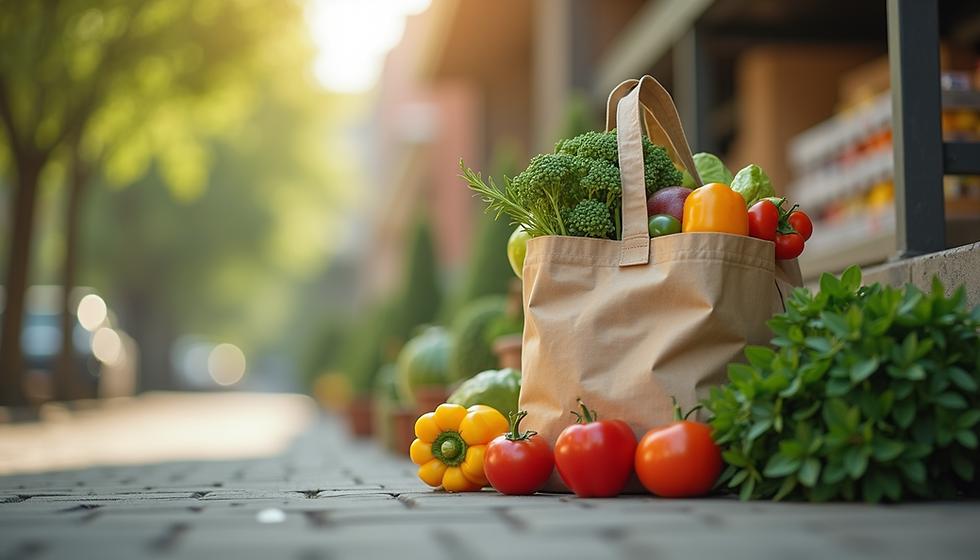
Plastic bags are a common sight in grocery stores, but they contribute significantly to plastic waste. Instead, consider using reusable tote bags made from materials like cotton, jute, or recycled plastics.
Benefits:
Durable and long-lasting
Reduces single-use plastic consumption
Often designed with stylish patterns, making them a fashionable choice
2. Plastic Water Bottles
Alternative: Stainless Steel or Glass Water Bottles
Single-use plastic water bottles are convenient but harmful to the environment. Switching to stainless steel or glass bottles can significantly reduce plastic waste.
Benefits:
Reusable and recyclable
Keeps beverages cold or hot for extended periods
Healthier option, as they do not leach chemicals into drinks
3. Plastic Straws
Alternative: Bamboo or Metal Straws
Plastic straws are often used once and discarded, contributing to ocean pollution. Bamboo or stainless steel straws are excellent alternatives that can be reused.
Benefits:
Eco-friendly and biodegradable options available
Easy to clean and maintain
Stylish and can enhance the drinking experience
4. Plastic Food Containers
Alternative: Glass or Silicone Food Storage Containers
Plastic food containers are convenient but can leach harmful chemicals into food. Glass or silicone containers are safer and more sustainable options.
Benefits:
Non-toxic and safe for food storage
Microwave and dishwasher safe
Long-lasting and often more aesthetically pleasing
5. Plastic Wrap
Alternative: Beeswax Wraps or Silicone Lids
Plastic wrap is commonly used to cover food, but it is not recyclable. Beeswax wraps or silicone lids can be used instead.
Benefits:
Reusable and biodegradable options
Keeps food fresh without harmful chemicals
Available in various sizes and designs
Sustainable Practices Beyond Products
While switching to eco-friendly alternatives is crucial, adopting sustainable practices can further reduce plastic waste. Here are some tips:
1. Buy in Bulk
Purchasing items in bulk can minimize packaging waste. Bring your containers to stores that allow bulk buying, reducing the need for plastic packaging.
2. Composting
Composting organic waste reduces the amount of trash sent to landfills. It also enriches the soil, promoting healthier plant growth.
3. Support Local Businesses
Buying from local farmers and artisans often means less packaging and transportation waste. Plus, it supports the local economy.
The Role of Education and Awareness
Raising awareness about the impact of plastic pollution is vital. Educational campaigns can inform communities about the benefits of using eco-friendly alternatives and encourage sustainable practices.
Community Initiatives
Many communities are taking action by organizing clean-up events, workshops, and educational programs. Participating in these initiatives can foster a sense of responsibility and community engagement.
Conclusion
Transitioning to eco-friendly alternatives to plastic products is not just a trend; it is a necessary step toward a sustainable future. By making conscious choices in our daily lives, we can significantly reduce plastic waste and its harmful effects on the environment.
Take action today by replacing just one plastic item in your life with a sustainable alternative. Every small change contributes to a larger impact. Together, we can create a cleaner, healthier planet for future generations.


Comments