How to Start Your Plastic-Free Journey Today

Updated: 3 days ago
Plastic pollution is one of the most pressing environmental issues of our time. With millions of tons of plastic waste ending up in our oceans and landfills each year, it’s crucial to take action. If you’re looking to reduce your plastic footprint and embrace a more sustainable lifestyle, you’re in the right place. This guide will help you kickstart your plastic-free journey today.
Understanding the Impact of Plastic
Before diving into practical steps, it’s essential to understand why reducing plastic is vital. Plastic pollution affects wildlife, ecosystems, and human health. Here are some staggering facts:
Marine Life: Over 1 million marine creatures are killed each year due to plastic pollution. Sea turtles, for instance, often mistake plastic bags for jellyfish.
Microplastics: These tiny plastic particles have infiltrated our food chain. Studies show that humans consume about 5 grams of plastic weekly, equivalent to a credit card.
Landfill Overflow: Approximately 80% of plastic waste ends up in landfills, where it can take hundreds of years to decompose.
Understanding these impacts can motivate you to make meaningful changes in your daily life.
Assess Your Plastic Use
The first step in your plastic-free journey is to assess your current plastic consumption. Take a week to track the plastic items you use daily. This includes:
Food Packaging: Take note of plastic bags, wrappers, and containers.
Personal Care Products: Consider items like shampoo bottles, toothpaste tubes, and cosmetics.
Household Items: Look at cleaning supplies, utensils, and storage containers.
By identifying the sources of plastic in your life, you can prioritize areas for change.
Start Small: Replace Single-Use Items
Transitioning to a plastic-free lifestyle doesn’t have to happen overnight. Start by replacing single-use items with sustainable alternatives. Here are some easy swaps:
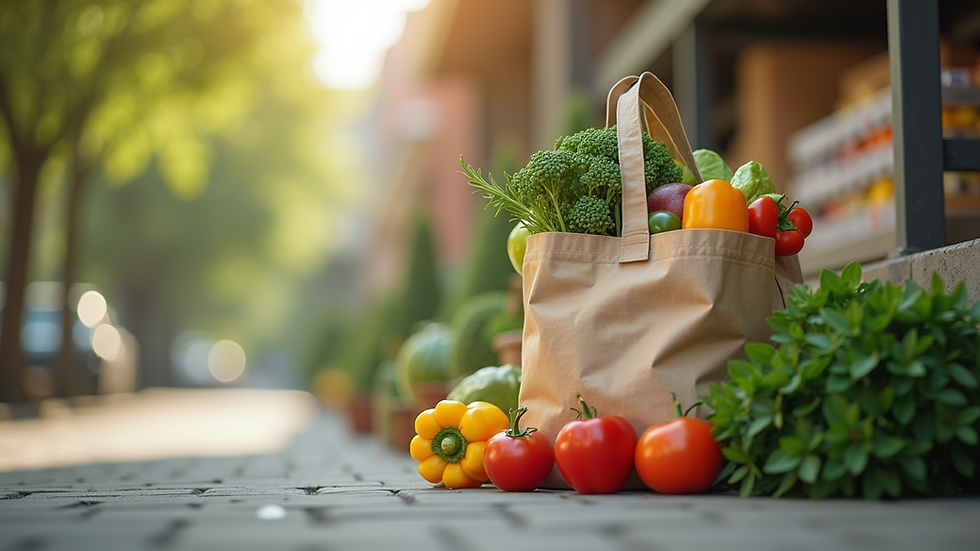
Reusable Bags: Invest in a few sturdy reusable shopping bags. Keep them in your car or by the door to remember them when you shop.
Water Bottles: Ditch plastic water bottles for a stainless steel or glass alternative. This not only reduces plastic waste but also keeps your drinks cooler for longer.
Straws: Switch to reusable straws made from stainless steel, silicone, or bamboo.
These small changes can significantly reduce your plastic consumption over time.
Embrace Bulk Shopping
Bulk shopping is an excellent way to minimize plastic waste. Many grocery stores now offer bulk bins for grains, nuts, and other dry goods. Here’s how to make the most of bulk shopping:
Bring Your Own Containers: Use glass jars or cloth bags to fill up on bulk items. This eliminates the need for plastic packaging.
Plan Your Meals: Before heading to the store, plan your meals for the week. This helps you buy only what you need, reducing food waste and unnecessary packaging.
Choose Local: Support local farmers and markets. They often use less plastic in their packaging compared to larger grocery chains.
By embracing bulk shopping, you can significantly cut down on plastic waste while supporting your local economy.
Rethink Personal Care Products
Many personal care products come in plastic packaging. However, there are plenty of eco-friendly alternatives available. Consider these options:
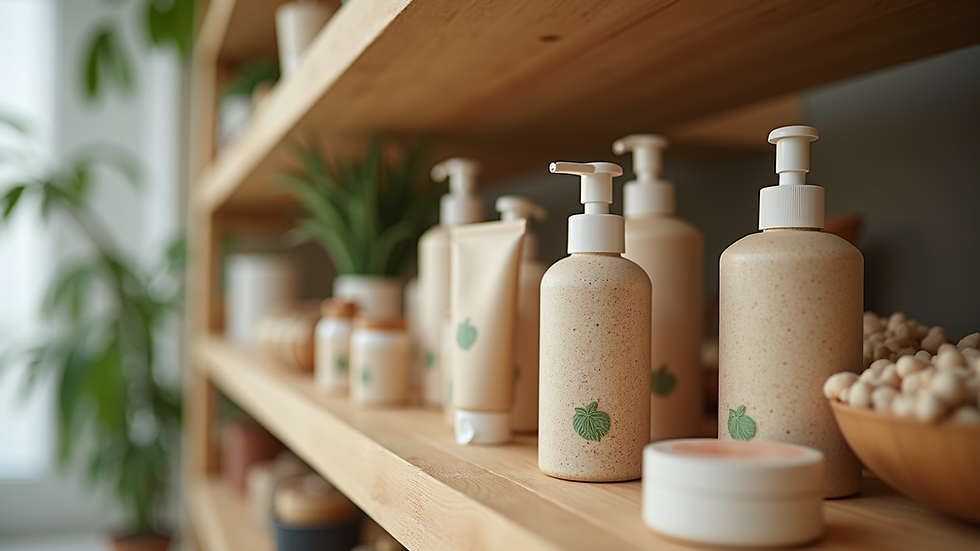
Bar Soap: Instead of liquid soap in plastic bottles, opt for bar soap. Look for brands that use minimal packaging and natural ingredients.
Shampoo Bars: These solid shampoo alternatives come with little to no packaging and last longer than traditional shampoo.
Reusable Razors: Switch to a safety razor instead of disposable razors. They are more sustainable and can save you money in the long run.
By rethinking your personal care routine, you can reduce plastic waste without sacrificing quality.
Get Creative with DIY Solutions
Making your own products can be a fun and rewarding way to reduce plastic use. Here are some DIY ideas:
Homemade Cleaning Supplies: Create your own cleaning solutions using vinegar, baking soda, and essential oils. Store them in glass spray bottles.
Beeswax Wraps: Instead of plastic wrap, make reusable beeswax wraps to cover food. They are easy to make and can be used multiple times.
Natural Deodorant: Try making your own deodorant using coconut oil, baking soda, and essential oils. This eliminates plastic packaging and is often healthier for your skin.
DIY solutions not only reduce plastic waste but also allow you to control the ingredients you use.
Educate and Advocate
As you embark on your plastic-free journey, consider sharing your knowledge with others. Here’s how you can educate and advocate for a plastic-free lifestyle:
Social Media: Share your journey on social media platforms. Post about your plastic-free swaps, DIY projects, and tips for others.
Community Events: Participate in or organize local clean-up events. This raises awareness about plastic pollution and encourages community involvement.
Support Legislation: Advocate for policies that reduce plastic use in your community. Support bans on single-use plastics and promote recycling initiatives.
By educating others, you can amplify your impact and inspire more people to join the movement.
Stay Motivated and Adapt
Transitioning to a plastic-free lifestyle is a journey, not a destination. Here are some tips to stay motivated:
Set Realistic Goals: Start with achievable goals, such as reducing plastic use by 50% in a month. Gradually increase your targets as you become more comfortable.
Celebrate Progress: Acknowledge your achievements, no matter how small. Celebrate each plastic-free swap you make.
Be Flexible: Understand that setbacks may happen. If you find yourself using plastic, don’t be too hard on yourself. Learn from the experience and adjust your approach.
Staying motivated is key to making lasting changes in your lifestyle.
Conclusion
Starting your plastic-free journey is a powerful way to contribute to a healthier planet. By assessing your plastic use, making small changes, and advocating for sustainability, you can make a significant impact. Remember, every little bit counts. Take the first step today and inspire others to join you on this important journey. Together, we can create a cleaner, greener future for generations to come.


Comments